Weaver Re-Design

UX/UI Design & Research
Project Overview
Weaver is a platform designed to help organizations manage their meetings and communications in one place. The project focused on identifying usability issues with the existing site and redesigning it to better serve its users.
My Role
UX researcher and designer
Programs Used
Figma, Excel, Zoom, Google Docs, Google Forms, and Slack
Core Problem
Weaver's outdated, unpolished interface couldn't compete with modern collaboration tools, risking user loss to better-established alternatives.
Results
Prototyped specfic user flows for a re-designed website and recommendations pitch deck
Weaver is a small business platform built to help organizations manage video call meetings, meeting minutes, and schedule coordination. Despite serving a real need, the site lacked the polished, intuitive experience that modern users expect from collaboration tools.

Weaver's existing site wasn't keeping pace with the collaborative tools its users were already familiar with. Without heuristic testing or a modern interface, the platform risked losing users to more established alternatives. The goal was to identify usability gaps and redesign the experience to feel competitive and easy to use.
Problem
Selling a comunication tool with a lack of clear communication for users.
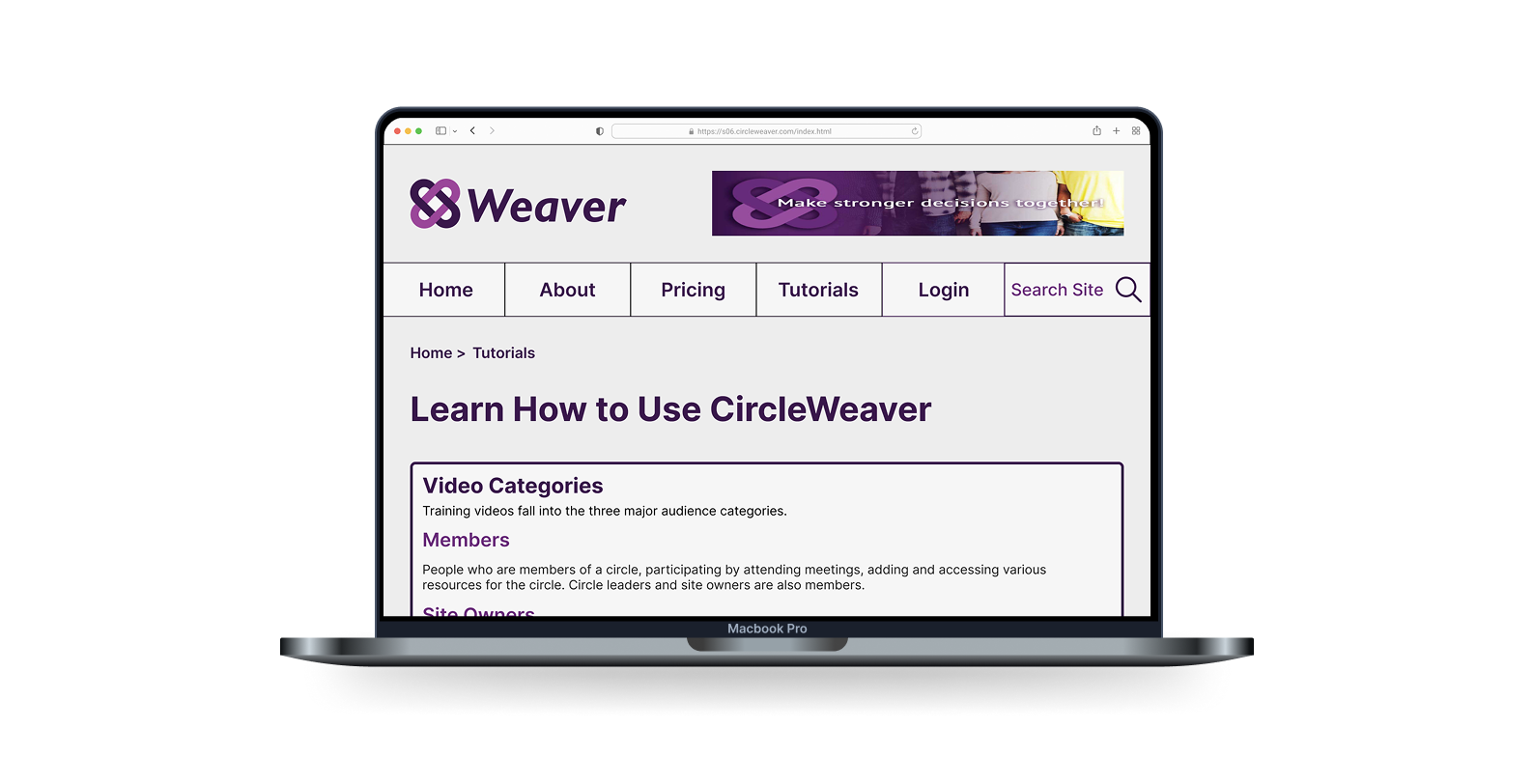
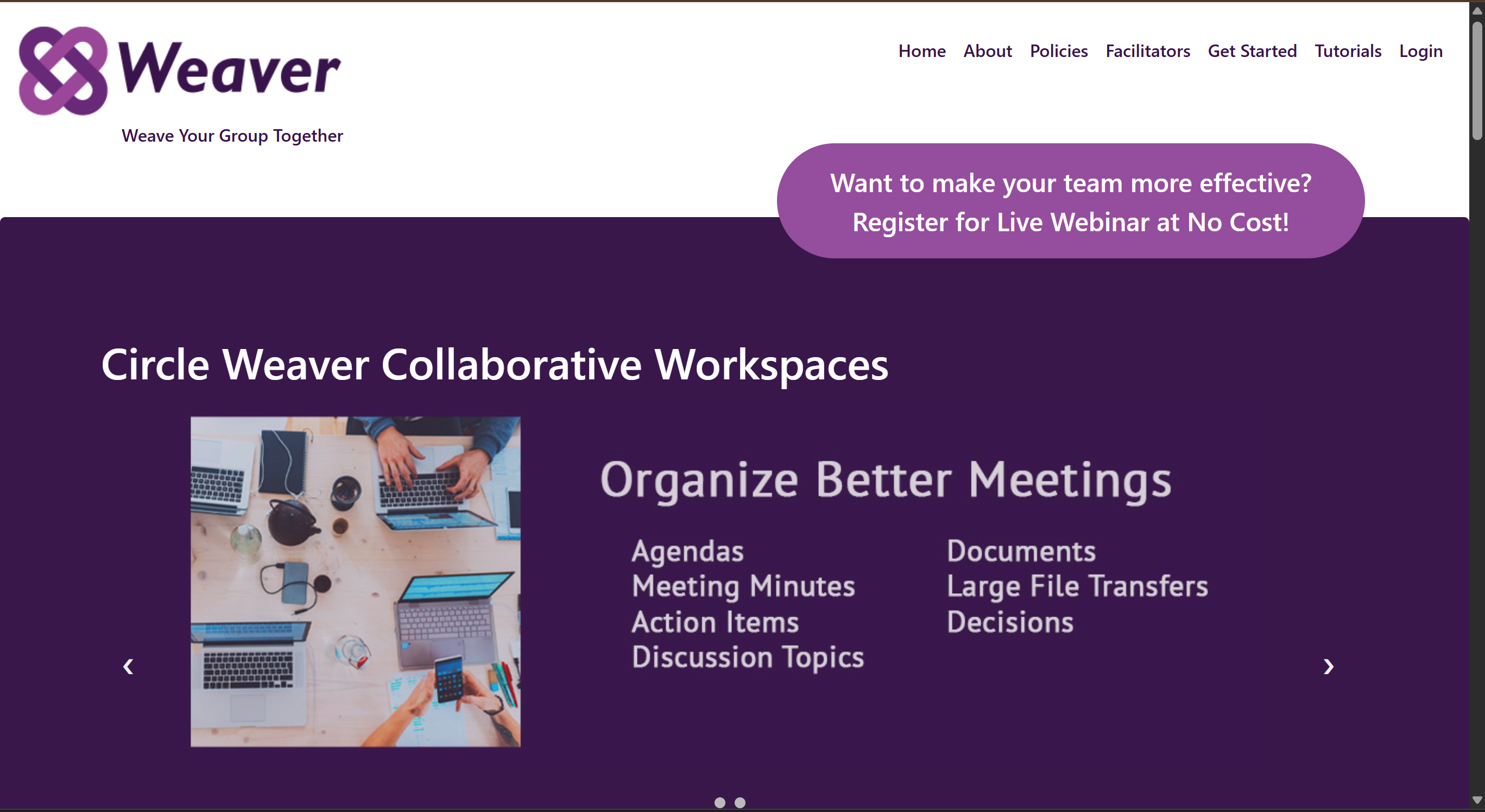
Original Design
I worked as part of a team of 4 UX researchers and designers, starting with heuristic evaluations to identify baseline usability issues. From there we moved into surveys and persona development to better understand who we were designing for.

Key activities included:
Heuristic evaluation of the existing site
User surveys and persona development
Scenario-based user testing with pre and post-test surveys
Data analysis using spreadsheets to calculate issue severity and frequency
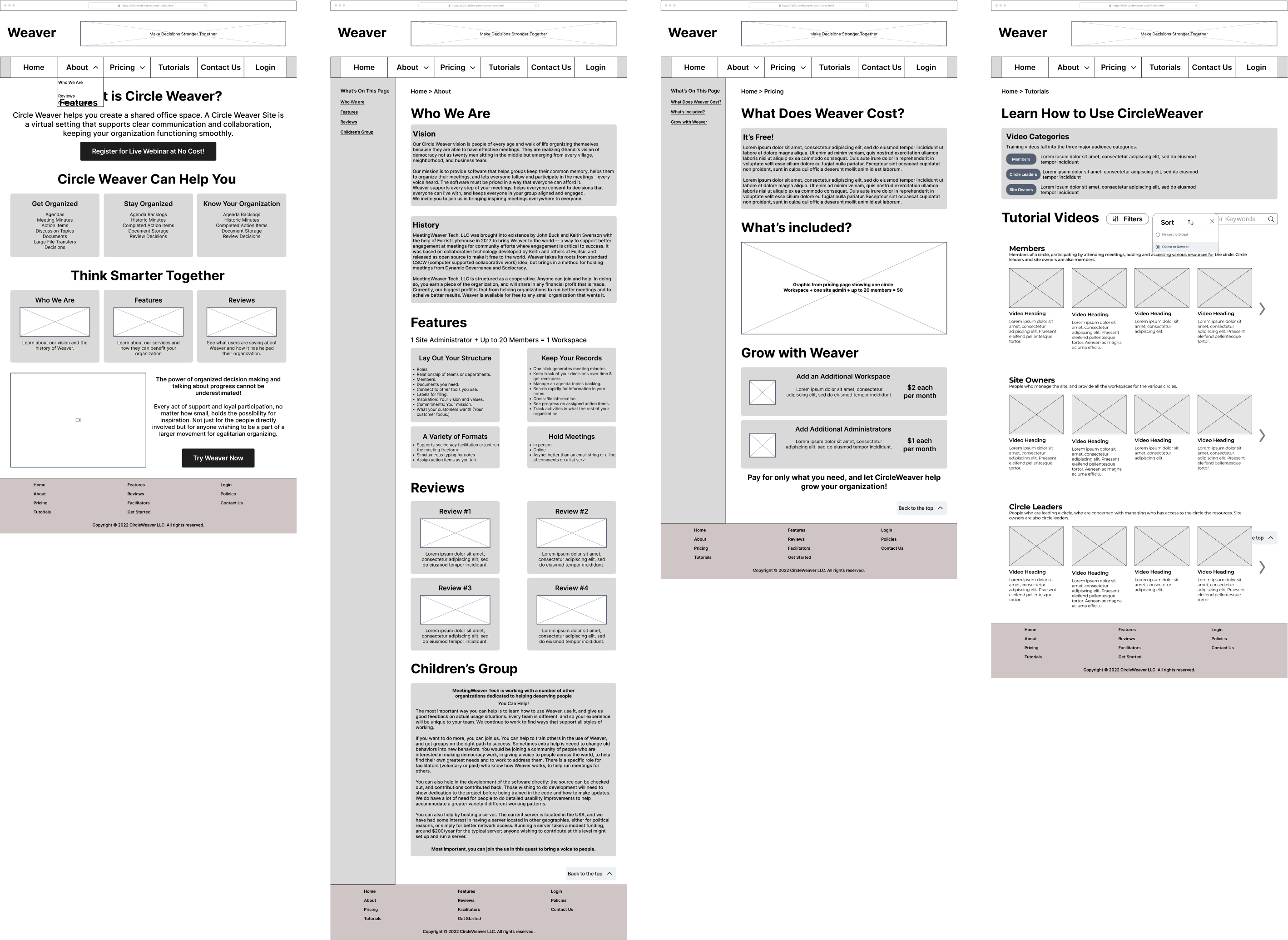
Collaborative wireframing and iterative feedback sessions
High-fidelity wireframes and prototype development

I tested navigation patterns and content hierarchy throughout the process, using participant feedback to validate design decisions before moving to high-fidelity work.
Process
Discovering usabilty issues and working with a team to create comprehensive solutions.
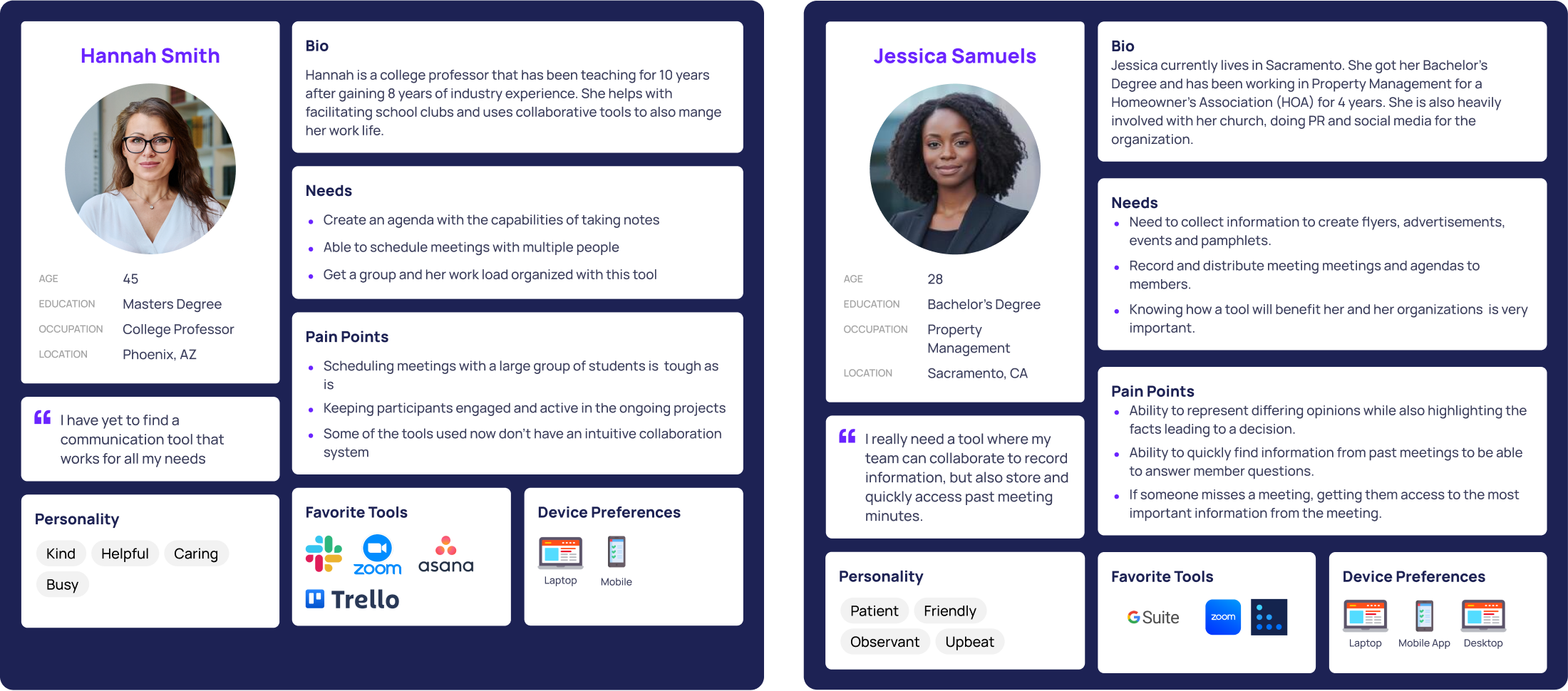
Through interative processes as a group the personas were narrowed down to primarily Hannah and Jessica. From there they were used in selecting partcipants for the
user testing.
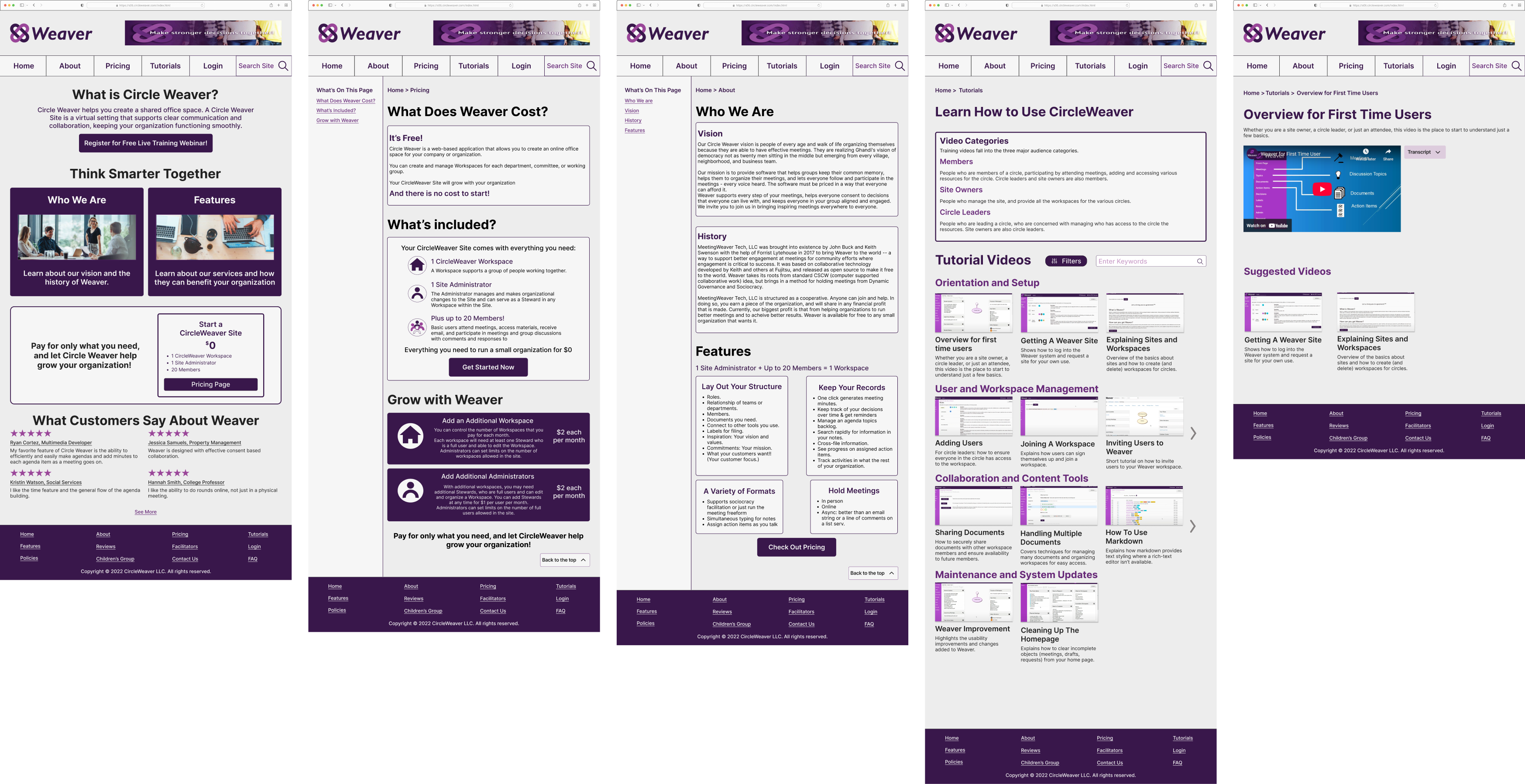
I delivered a high-fidelity prototype targeting the most critical user flows identified during testing. The redesign addressed the site's core usability issues by simplifying navigation, modernizing the interface, and creating a more intuitive experience for organizations managing their meetings and communications.

‍This project was full of moments that reinforced one of UX's most important reminders: you are not the user. Watching that play out in real user sessions makes it stick in a way that's hard to forget. Working with a team of researchers and designers also consistently led to more epiphanies than working solo, different perspectives surfaced insights I simply wouldn't have caught on my own. Collaboration comes with trade-offs like conflicting schedules and ideas, but for a research project of this scale, the depth and quality of work made it absolutely worth it.

Next Steps:
 The current prototype focuses on the highest priority user flows uncovered during testing. A full implementation would expand to cover additional workflows, incorporate ongoing user feedback, and continue closing the gap between Weaver and the larger collaboration tools it competes with.
Results and Lessons
Creating a new way to experience IMDb.